




Researching birch-bark basketry
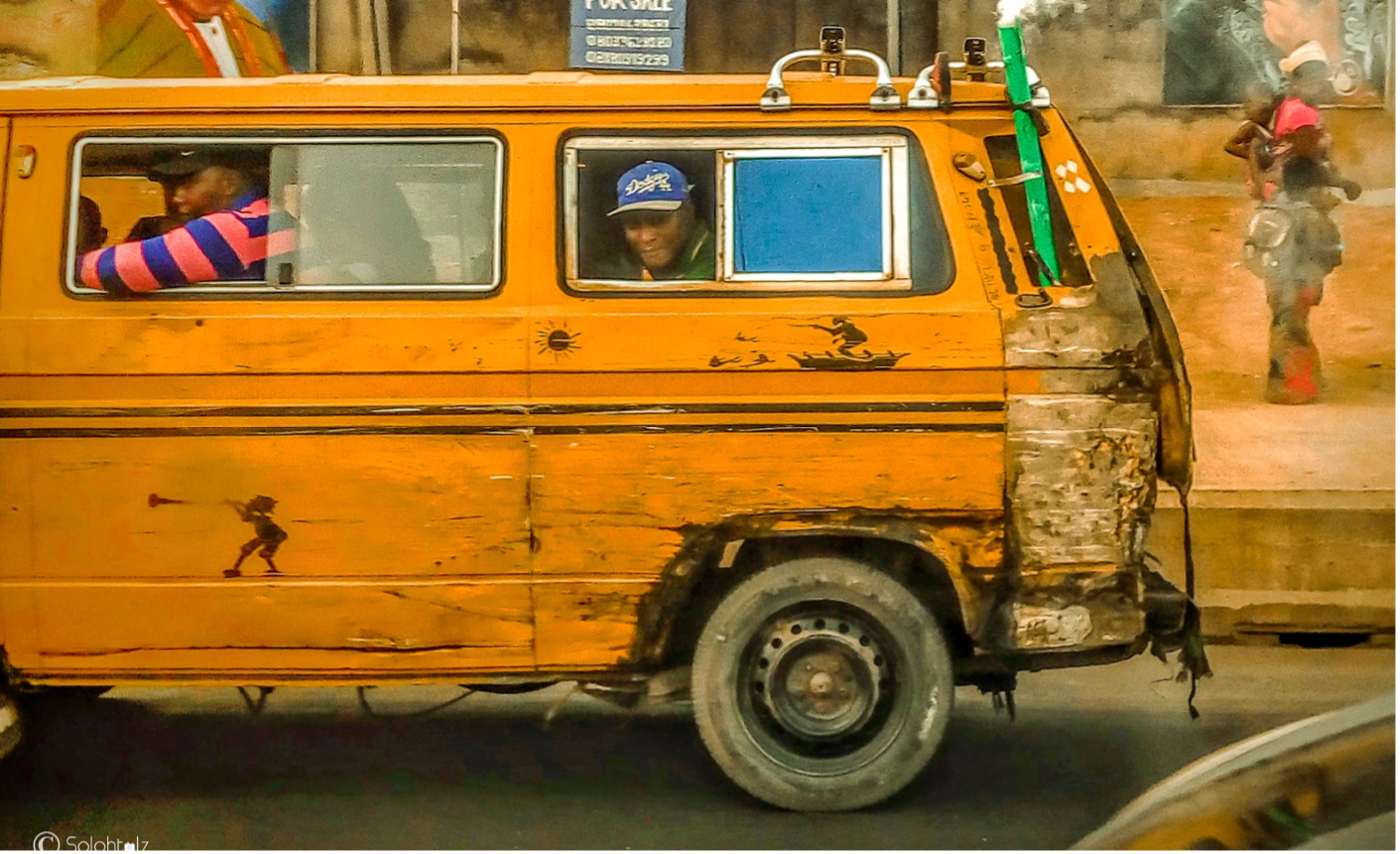
Birch-bark basketry is a fascinating cultural practice! Prior to my research of MOA’s collection, I didn’t realize the high level of skill and ingenuity that…
Read MoreNow closed on Mondays. Fall hours in effect. Learn more
From Vancouver: The westbound 4, 14, 25, 33, R4, 44, 49, 84, 99 B-Line, and 480 buses arrive at UBC. Get off at the last stop and walk northwest. See detailed directions.
Once at UBC Exchange, you can also transfer to the 68 Wesbrook Village bus instead of walking to MOA. Get off at NW Marine Dr at West Mall. Full transit information at the Translink website.
From Downtown Vancouver: Cross the Burrard or Granville Street bridges, and then head west on 4th Avenue, Broadway, 10th Avenue or 16th Avenue all the way to UBC.
From YVR Airport: Exit the Arthur Laing Bridge and head west onto Southwest Marine Drive, and follow this road to UBC.
Once at UBC, watch for signs guiding you to MOA. Paid parking can be purchased by cash or credit card. An Evo parking lot is located a 7-minute walk south of MOA.
From downtown Vancouver: Cross the Burrard Street Bridge and exit to the right onto Cornwall Street. Follow to Point Grey Road until NW Marine Drive all the way to UBC.
Please note that this route involves a significant hill, and that Mobi bike shares do not have stations at UBC.
Receive monthly updates on exhibitions, programs and special offers.

Join us on the last Sunday of each month for MOA’s family program series, Culture Club at MOA.
MOA • Included with museum admission

Maestro Mokhtabad in concert at MOA will be a night not to be forgotten: beauty, poetry, and timeless traditions of Iranian classical music.
MOA • Included with museum admission

Join us for the opening of MOA’s new feature exhibition, From the Deep: In the Wake of Drexciya with Ayana V. Jackson.
MOA • Free

Guest curator Luis Manuel González reflects on the cultural and personal significance of Tupananchiskama: Ancient Andean Cosmovision during Latin American History Month, and the importance of sharing Andean perspectives on culture, nature, time and the cosmos with audiences in Vancouver.
Read More
A look back at the return of the Sim’oogit Laay’ pole from MOA to its home in Nisga’a territory, and the role repatriation plays in the ongoing work of reconciliation.
Read More
“This will become one of the most talked about institutions in North America.” When Michael Ames, the Museum’s director at the time, spoke those words…
Read More
Explore stories and articles from around the web that reflect the values, research, communities and activities related to MOA and museums around the world.
Read More
A look back at the return of the Sim’oogit Laay’ pole from MOA to its home in Nisga’a territory, and the role repatriation plays in the ongoing work of reconciliation.
Read More
Hello MOA blog readers! I’m Michelle and I’ve just completed a collections practicum at MOA. Over the summer I have had the opportunity to work…
Read More
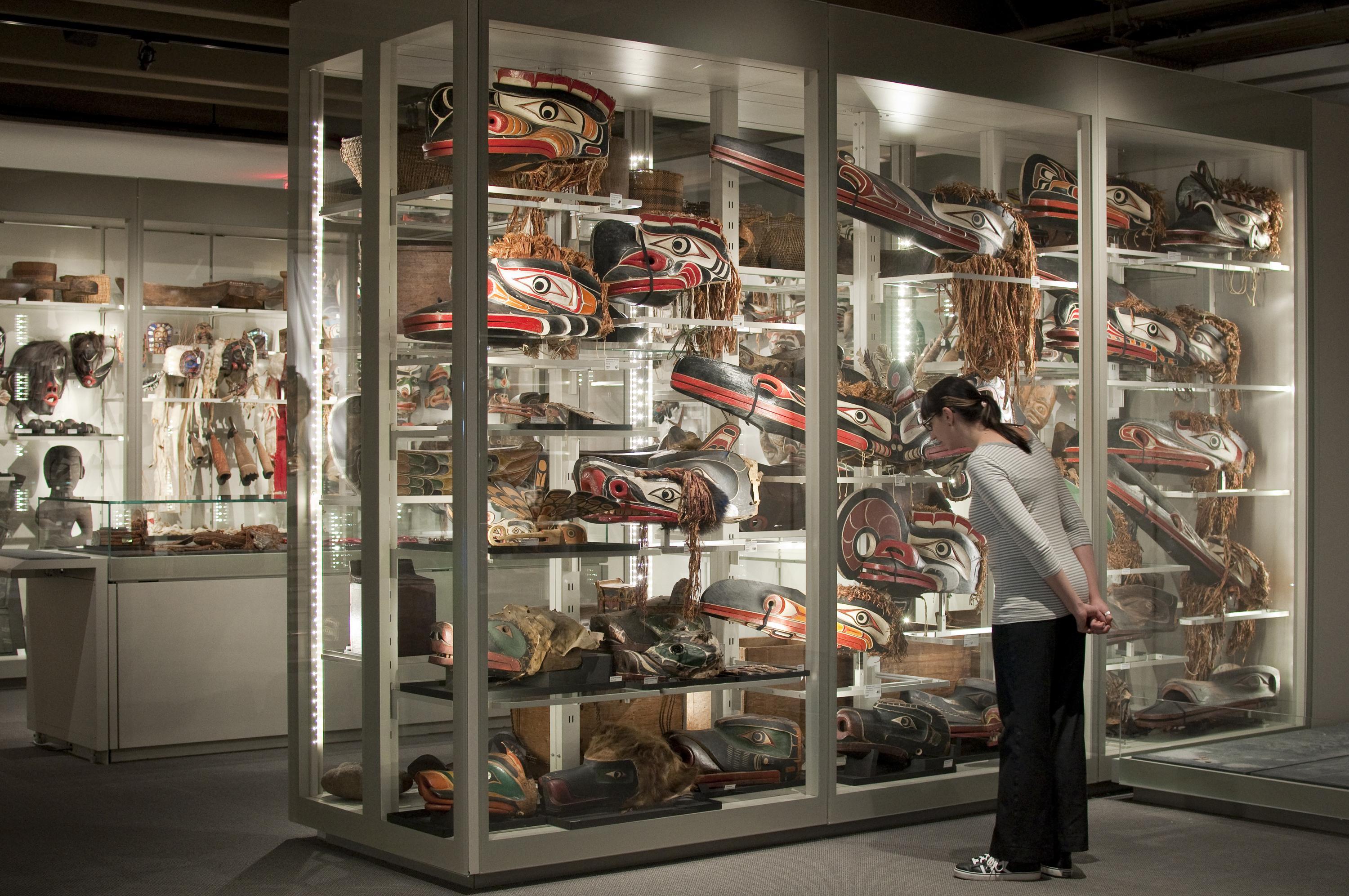
MOA is committed to promoting awareness and understanding of culturally diverse ways of knowing the world through challenging and innovative programs and partnerships with Indigenous, local and global communities.
Learn More
Museum of Anthropology at the
University of British Columbia
6393 NW Marine Drive
Vancouver, BC, Canada V6T 1Z2
Email • info@moa.ubc.ca
Phone • 604-822-5087
Birch-bark basketry is a fascinating cultural practice! Prior to my research of MOA’s collection, I didn’t realize the high level of skill and ingenuity that…
Read More
MOA hosted a Canadian Conservation Institute (CCI) Workshop on Wet Basketry. Participants included the hato:lo Nation, Musqueam Indian Band, Neskanlith Indian Band, the UBC Laboratory of Archaeology, the Royal BC Museum, the Sooke Region Museum, and local archaeologists and conservators.
Read More
In my very first week as a MOA Intern I was thrown right into the fray and began treatment on four Peruvian festival masks made of tin. The masks when I arrived were in poor condition, with many of the decorations requiring repair and reattachment.
Read More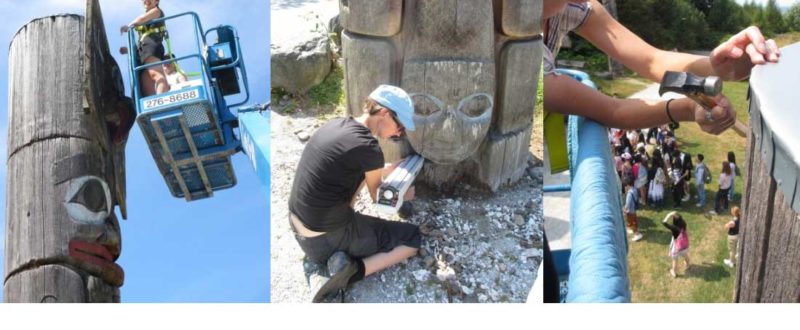
The outdoor totem poles at MOA are subject to all the forces of nature. This presents some larger life challenges for the conservators, whose job it is to preserve these beautiful works.
Read More