


Please Touch Gently: Harbour Canoe
Learn about MOA’s newest touchable object, Qap’u’luq-John Marston’s Harbour Canoe, now on view in the Great Hall.
Read MoreFrom Vancouver: The westbound 4, 14, 25, 33, R4, 44, 49, 84, 99 B-Line, and 480 buses arrive at UBC. Get off at the last stop and walk northwest. See detailed directions.
Once at UBC Exchange, you can also transfer to the 68 Wesbrook Village bus instead of walking to MOA. Get off at NW Marine Dr at West Mall. Full transit information at the Translink website.
From Downtown Vancouver: Cross the Burrard or Granville Street bridges, and then head west on 4th Avenue, Broadway, 10th Avenue or 16th Avenue all the way to UBC.
From YVR Airport: Exit the Arthur Laing Bridge and head west onto Southwest Marine Drive, and follow this road to UBC.
Once at UBC, watch for signs guiding you to MOA. Paid parking can be purchased by cash or credit card. An Evo parking lot is located a 7-minute walk south of MOA.
From downtown Vancouver: Cross the Burrard Street Bridge and exit to the right onto Cornwall Street. Follow to Point Grey Road until NW Marine Drive all the way to UBC.
Please note that this route involves a significant hill, and that Mobi bike shares do not have stations at UBC.
Receive monthly updates on exhibitions, programs and special offers.

Everyone Says I Look Like My Mother
Everyone Says I Look Like My Mother
Tibet Through Images
པར་རིས་ནང་གི་བོད།
Reflecting on Northwest Coast Art

Join MOA each month for our new art-making series for adults, Art Club at MOA.
Cedar Café at MOA • Free (museum admission not required)

Celebrate the Family Day weekend by bringing your family to MOA on Sunday, February 15 for a day of museum fun.
MOA • Free with museum admission

Bring the fun of MOA’s Family Day Kids Conservation Lab home with you.
At Home Activity - with kit pick up at MOA • Free

For more than three decades, Elder Larry Grant has been a guiding presence at MOA. A respected Musqueam Elder, educator, and knowledge keeper, he has…
Read MoreLearn about MOA’s newest touchable object, Qap’u’luq-John Marston’s Harbour Canoe, now on view in the Great Hall.
Read More
Explore stories and articles from around the web that reflect the values, research, communities and activities related to MOA and museums around the world.
Read More
Learn about MOA’s newest touchable object, Qap’u’luq-John Marston’s Harbour Canoe, now on view in the Great Hall.
Read More
The new MOA Publication, Sea of Islands brings together knowledge holders, scholars, and artists from across the Pacific with Western scholars working with Pacific collections—as well as members of diasporic Oceanic communities—to share the stories and journeys of the objects that comprise Canada’s largest Oceanic collection, housed at the Museum of Anthropology at UBC.
Read More
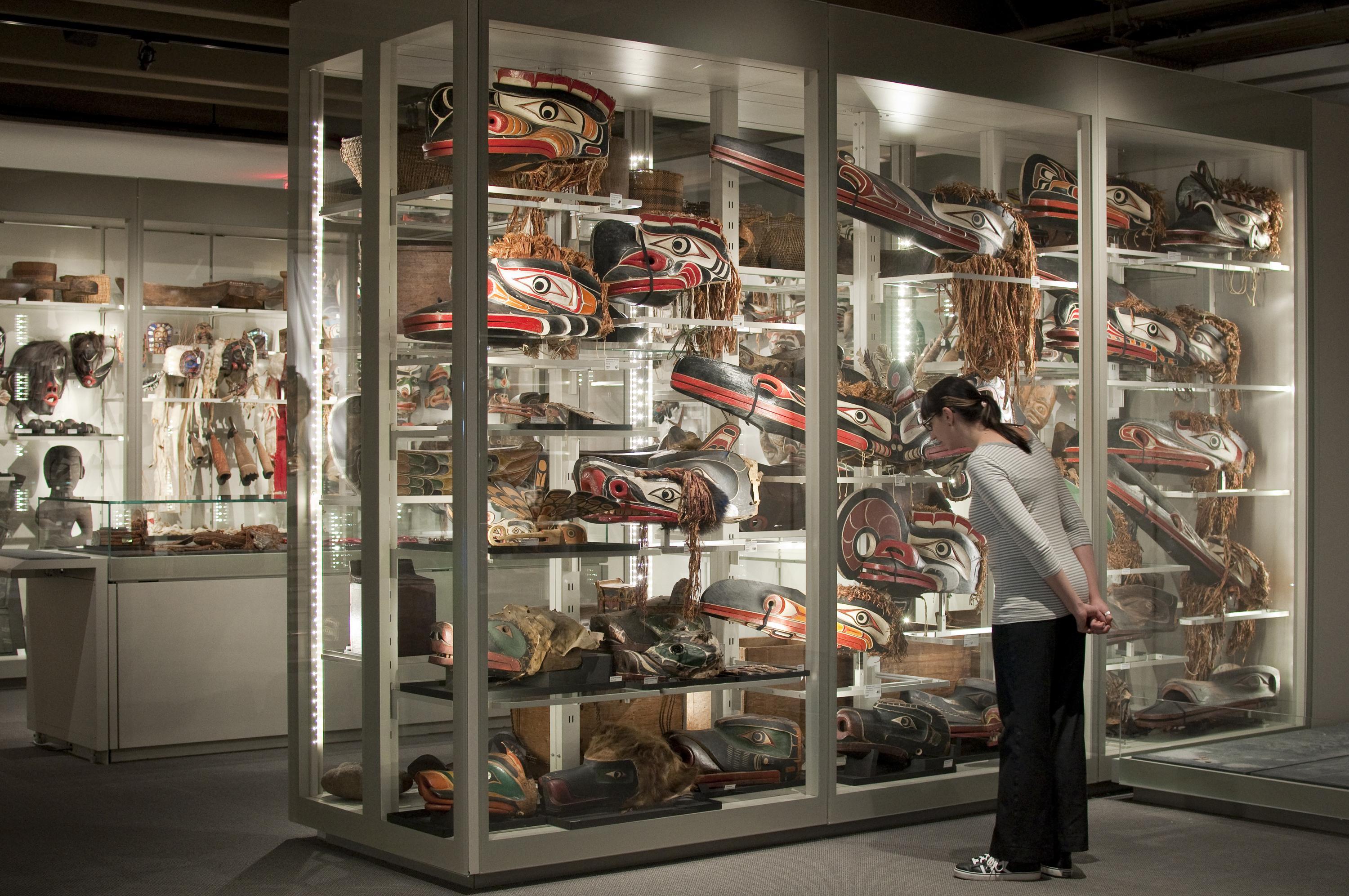
MOA is committed to promoting awareness and understanding of culturally diverse ways of knowing the world through challenging and innovative programs and partnerships with Indigenous, local and global communities.
Learn More
Museum of Anthropology at the
University of British Columbia
6393 NW Marine Drive
Vancouver, BC, Canada V6T 1Z2
Email • info@moa.ubc.ca
Phone • 604.827.5932
Learn about MOA’s newest touchable object, Qap’u’luq-John Marston’s Harbour Canoe, now on view in the Great Hall.
Read More The new MOA Publication, Sea of Islands brings together knowledge holders, scholars, and artists from across the Pacific with Western scholars working with Pacific collections—as well as members of diasporic Oceanic communities—to share the stories and journeys of the objects that comprise Canada’s largest Oceanic collection, housed at the Museum of Anthropology at UBC.
Read More
In MOA’s Drawers — these beautiful textiles feature vivid geometric designs and were made in the artistic tradition of the Wixáritari (or Huichol) people of western Mexico.
Read More
Ask MOA: What Is It? is your opportunity to ask MOA Curators and Collections staff about an artwork or other mystery object at home that you’ve always wondered about. This featured Ask MOA case is about a Wandjina figure from an estate sale.
Read More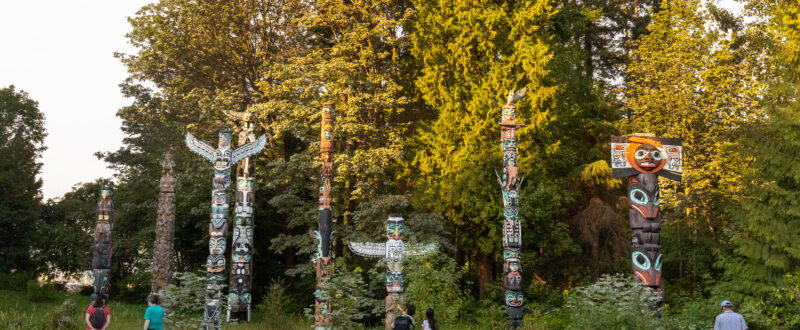
On September 4, the Kakaso’las pole, carved by celebrated Kwakwaka’wakw artist Kakaso’las—Ellen Neel, will be returning to MOA after 40 years at Stanley Park.
Read More
MOA is excited to announce a new online collection of nearly 3,000 images from the archives. This searchable collection features scanned infrared photographs of historical Indigenous Northwest Coast painted belongings, taken as part of MOA’s Image Recovery Project.
Read More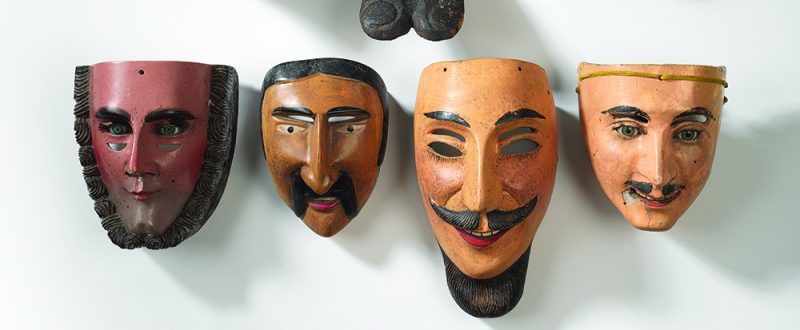
Excerpts from Theatrum Mundi: Masks + Masquerades in Mexico + the Andes with Former MOA Director, Anthony Alan Shelton.
Read More
This MOA video series features experts discussing earthquake science and technology and Indigenous knowledge and oral history about earthquakes, represented in MOA’s Northwest Coast collection.
Read More
In honour of National Indigenous History Month, we’re sharing excerpts from the award-winning MOA publication, <Where the Power Is: Indigenous Perspectives on Northwest Coast Art, by Karen Duffek, Bill McLennan, and Jordan Wilson.
Read More
Ask MOA: What Is It? is your opportunity to ask MOA Curators and Collections staff about an artwork or other mystery object at home that you’ve always wondered about. This featured Ask MOA case is about engraved bones found in the communal items place in the inquirer’s building.
Read More